
Key Takeaways:
- Scrap metal recycling significantly reduces environmental pollution and conserves natural resources.
- Innovative technologies are enhancing the efficiency and sustainability of metal recycling processes.
- Recycling metals like aluminum and steel plays a crucial role in reducing greenhouse gas emissions.
Environmental Benefits of Scrap Metal Recycling
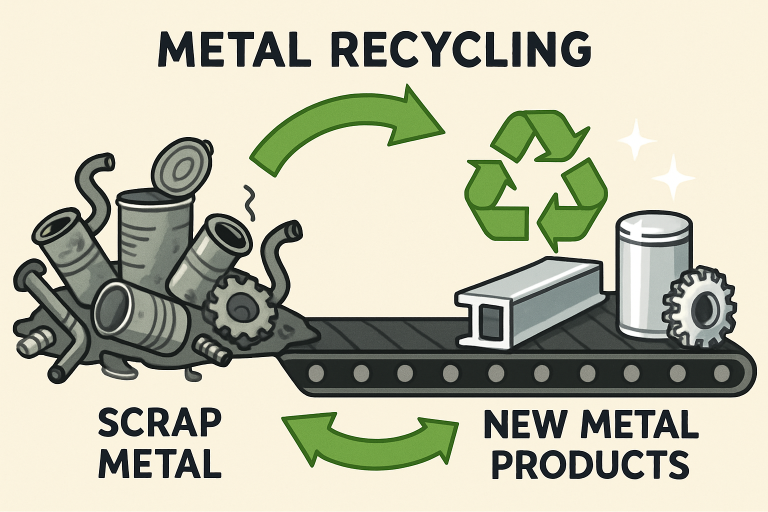
Scrap metal recycling is a cornerstone of modern environmental stewardship. By reprocessing used metals instead of sending them to landfills, communities avoid toxic waste leaks that can contaminate local soil and water sources. Instead, these valuable materials are reintroduced into the production cycle, reducing strain on finite resources and minimizing the environmental damage caused by traditional mining.
Another significant benefit is reduced energy consumption. Recycling metals such as aluminum can save up to 95% of the energy required to produce the same metal from raw ore. This dramatic energy savings translates into fewer greenhouse gas emissions, making recycling a powerful tool in the fight against climate change. Individuals and companies interested in sustainable solutions often seek out services such as demolition services Waynesville OH, which prioritize responsible scrap management throughout their operations.
The environmental impact extends beyond just reducing landfill waste. Every ton of recycled steel conserves 2,500 pounds of iron ore, 1,400 pounds of coal, and 120 pounds of limestone, according to the EPA. These cumulative savings showcase why robust scrap metal recycling systems are central to a greener economy.
By integrating advanced separation and purification methods, recycling facilities further minimize negative environmental impacts, making the process increasingly efficient and sustainable. As more regions implement policies incentivizing recycling over disposal, the eco-friendly trend is expected to accelerate globally.
Technological Advancements in Metal Recycling
Rapid innovation is reshaping how the scrap metal industry operates. Modern processing technologies have moved beyond simple sorting and shredding. One technology revolutionizing the sector is the Shear Assisted Processing and Extrusion (ShAPE) method, developed by the Pacific Northwest National Laboratory. This process transforms 100% post-consumer aluminum scrap into new building components, using up to 90% less energy than conventional methods while meeting high standards for product strength and adaptability.
Machine learning and advanced robotics have automated the sorting of mixed metal streams, increasing yield and reducing manual labor. Using sensors and artificial intelligence, recycling plants can identify and separate even small pieces of valuable non-ferrous metals, increasing the volume of material returned to the supply chain. Tech-enabled improvements such as these make scrap metal recycling more cost-effective and energy-efficient than ever before.
Moreover, breakthrough research in metallurgical engineering aims to further improve the quality and consistency of recycled metals. For instance, new alloys and surface treatments extend the lifespan and usability of products made from recycled materials, closing the loop between waste and new manufacturing.
Economic Impact of the Scrap Metal Industry
The economic influence of scrap metal recycling is substantial. It is a multibillion-dollar industry supporting hundreds of thousands of jobs worldwide. In the United States alone, the industry annually contributes over $90 billion to the nation’s economy, supporting approximately 463,000 jobs and generating more than $10 billion in government revenue at all levels.
Scrap metal recycling also plays a pivotal role in global trade. By exporting millions of tons of processed metal scrap each year, countries improve their trade balances and foster economic relationships with manufacturing nations that rely on recycled resources. The scrap recycling sector is considered a backbone of the circular economy and critical to industrial growth, both domestically and abroad.
Additionally, this industry stimulates local economies by creating jobs in collection, transportation, processing, and equipment manufacturing. From small scrap yards to high-tech recycling centers, the industry supports livelihoods and promotes entrepreneurship, especially in resource-rich regions.
Role of Recycled Metals in Reducing Carbon Emissions
Recycled metals are key to achieving net-zero carbon emissions. Traditional metal production, particularly of steel and aluminum, is a leading contributor to global greenhouse gas emissions, accounting for roughly 10% of global emissions. By using recycled scrap as feedstock, manufacturers can drastically cut their carbon footprint. For example, recycled aluminum has a carbon footprint as little as one-twentieth that of primary aluminum.
Using scrap reduces the energy required to heat, melt, and produce finished products. In steelmaking, every ton of scrap used prevents the emission of nearly 1.5 tons of CO₂. This environmental benefit is compounded as more manufacturers switch to scrap-based production or integrate recycled content into their supply chains. As global initiatives call for cleaner and greener technologies, the role of recycled metals will only grow in importance.
Not only does recycling reduce demand for new ores, but it also limits environmental degradation from open-pit mines, tailings, and industrial runoff.
Challenges and Solutions in Scrap Metal Recycling
Despite substantial progress, the recycling industry faces persistent challenges. Contamination in the scrap stream—such as plastics, paint, or non-recyclable metals can lower product quality or even render entire batches unusable. Inconsistent material composition and unpredictable supply also challenge manufacturers seeking to meet strict performance standards.
Solutions are emerging, with researchers experimenting with new approaches inspired by nature to increase mechanical properties and reliability. For example, bio-inspired designs in composite materials are showing promise in enhancing durability and stress resistance, thereby expanding the industrial uses for recycled metals. Additionally, more rigorous sorting protocols, supported by advanced automation, help reduce contamination and maintain higher scrap purity.
Policy support, public education, and investments in recycling infrastructure are further addressing these hurdles. An emphasis on “design for recycling,” where manufacturers consider end-of-life recyclability in their products, is also gaining traction and could streamline the entire recycling ecosystem.
Future Outlook for Scrap Metal Recycling
The outlook for scrap metal recycling is unequivocally positive. Innovations in processing technologies, growing demand for sustainable manufacturing, and increasingly strict environmental regulations are setting the stage for rapid growth. As the global economy embraces circular practices, recycled metals will be integral in meeting raw material needs while reducing planetary impact.
To maximize these benefits, collaboration across industries and governments will be essential. By supporting forward-thinking policies, investing in technology, and prioritizing public awareness, communities can ensure that scrap metal recycling remains at the forefront of a greener, more sustainable world.
For businesses and individuals looking for environmentally responsible ways to manage metal waste, partnering with experienced scrap management providers is a strategic step toward a cleaner future.




Leave a Reply